The Internet Changed My Life
I've been an internet junkie, an internet nerd, ever since I got access to an internet connection. It literally changed my life. 99% of the connections I've made, and the people I have around me today, are because of the internet. I really appreciate J.C.R. Licklider's contributions to the history of computing, from his vision of an interconnected network of computers to projects like ARPANET and the eventual development of TCP/IP. In fact, one of the reasons I adore CERN is that the World Wide Web(WWW) was invented there. It changed how humans communicate and get things done in their lives. The internet is such a powerful force.
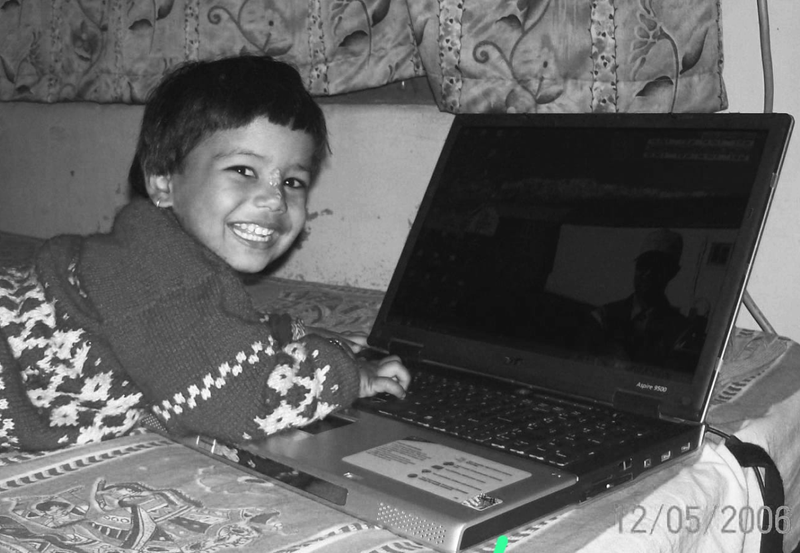
I've always been obsessed with internet communities, interesting people, and the sheer variety of niche interests you can find online. People who are interested in the quirkiest, most specific things imaginable. You can only find this kind of variety on the internet, where geographical and financial barriers become almost irrelevant.
Even if you live in a small town, like I used to, where the traditional career path for someone interested in computers was to become an engineer, get a job in IT, and that's it. Get married, have kids, and that's the usual trajectory.
While I was busy messing around with this machine, trying to understand what it was and how I could extract all the information and knowledge from this force called the internet, I discovered something about myself: I genuinely love meeting interesting people.
Partly because I can learn so much from them. Everyone comes from a different background, culture, and set of experiences. I started with a very narrow understanding of the world and its perspectives, but spending time with these people, hanging out with them, and learning from them definitely helped me evolve into the person I always wanted to be.
In a general sense, I just want to geek out with interesting people, do interesting work, and learn as much as I can about this universe. That's it. But the internet literally changed the trajectory of my life.
These are a few instances of how the internet helped me get to where I am today:
- I met my cofounder, friends, and investors through X, Discord, and LinkedIn. All of them found me by reading my posts on X, LinkedIn, Substack, and my personal website.
- I found my advisors through cold emails and X.
- I met interesting scientists and hackers through Substack and niche Telegram groups.
- When I first came to Bangalore, I found a place to stay through Reddit.
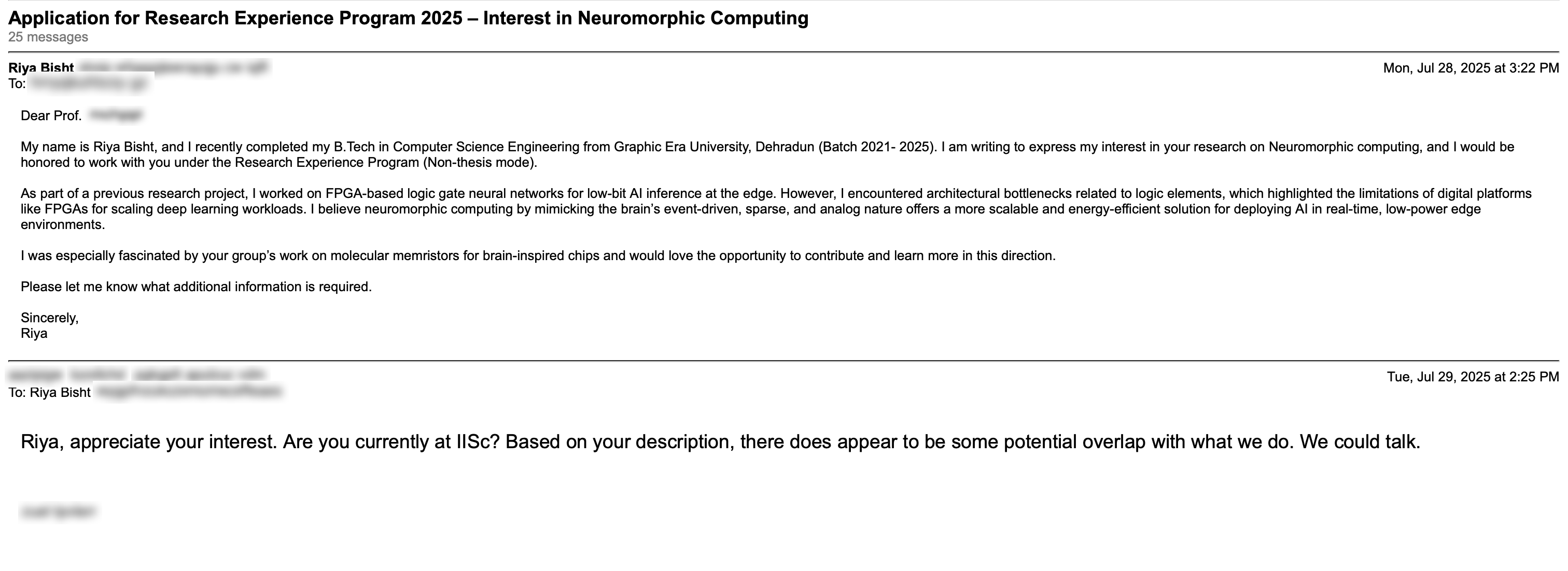
- I got my internships at CERN and Berkeley Lab through cold emails.
- I got an exciting collaboration with IISc by posting what I was learning on this website.
- A startup founder read my posts online and reached out to me, and I ended up working at a hardware startup, solving a cutting-edge research problem as my final-year thesis.
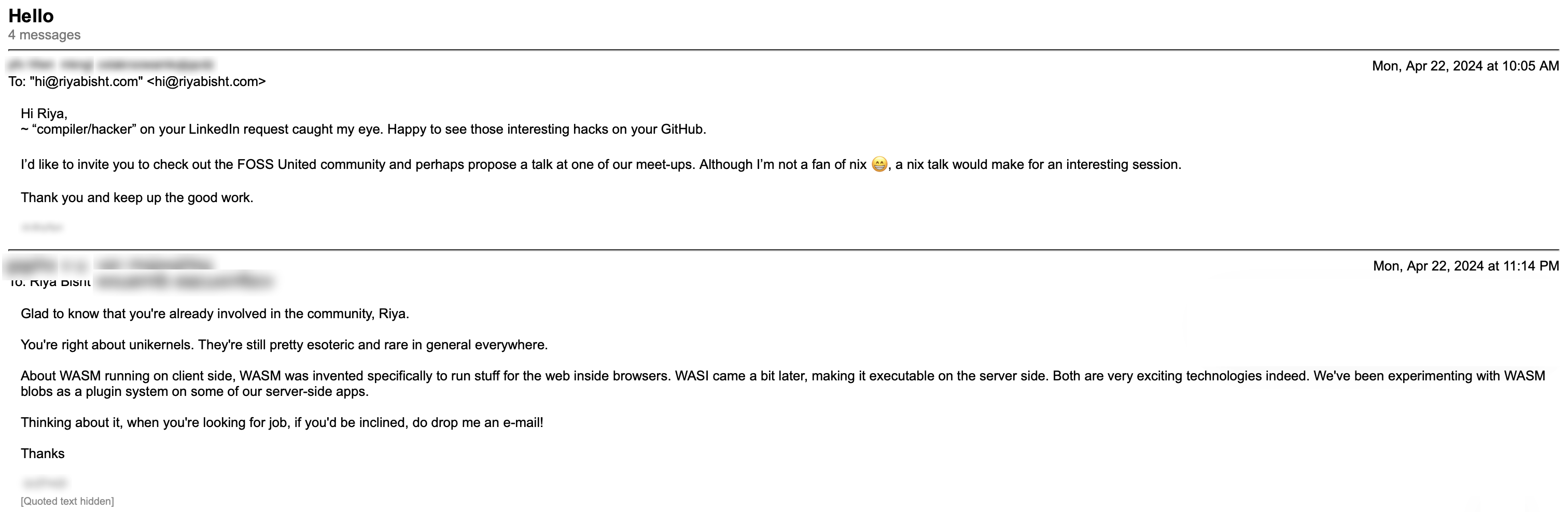
- The CTO of a billion-dollar tech company invited me to propose a talk after my LinkedIn request and GitHub caught his eye, and told me to drop him an email whenever I'm looking for a job.
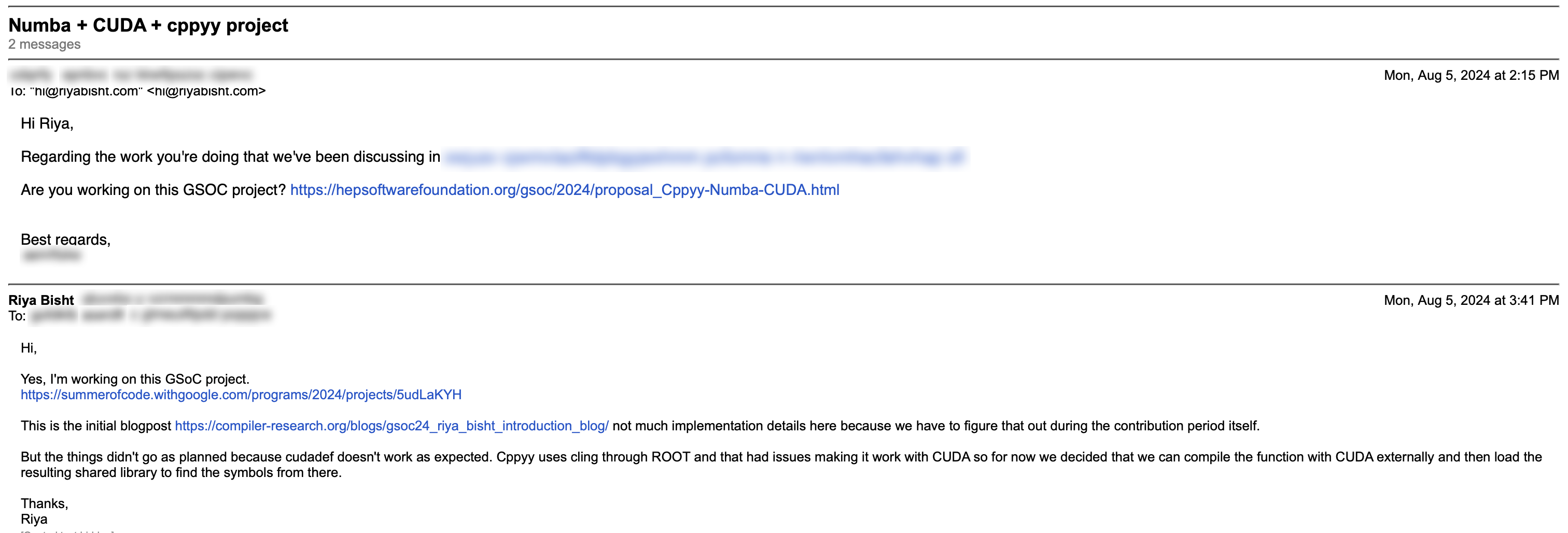
- An engineer from NVIDIA emailed me about my GSoC project after seeing my work on a public forum.
It started early. While I was still in high school, I got the opportunity to be a citizen scientist on a NASA program, just because I found it online.
For a long time I couldn't afford to travel, so I attended every conference and workshop online and did all my networking online, until I figured out a way to fund my travel. I worked with mentors from different countries over mailing lists. I got a tour of a cyclotron while sitting in India. Because of travel barriers, I wasn't able to present my research at Berkeley Lab, so I asked one of my friends there to give me a tour of the facility. When my visa got rejected for a conference in the US, I still got to experience that international conference remotely. I participated in international hackathons without leaving my room.
And in between all of this, I spent nights surfing through forums, finding interesting people through Discord servers and podcasts, sharing stuff online, and building a community of like-minded folks on the internet.
I remember a brief period in my life when I was obsessed with the idea of having small, curated forums dedicated to specific interests. It all started when I began exploring open-source software and Linux distributions. We used to have communities across different platforms like Discord, Slack, IRC channels, and even Matrix, along with a few others whose names I've completely forgotten.
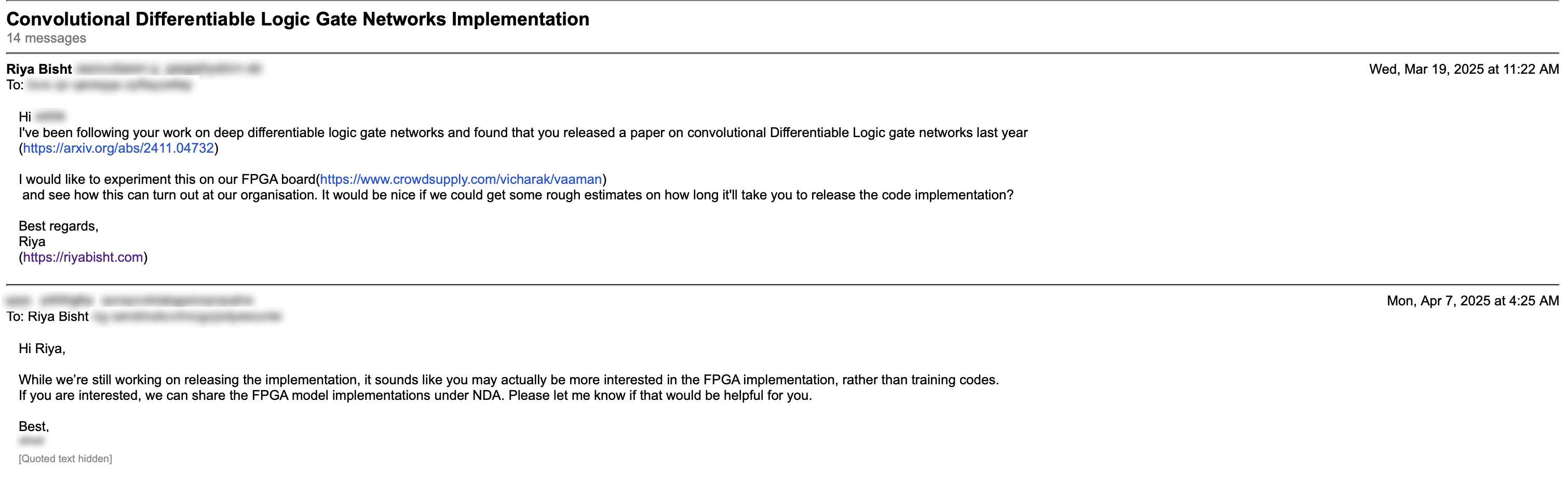
That is where I figured out a pattern that kept working. Read a paper. Reach out to the authors. Join their community on Discord. Start contributing to their open-source project. That is exactly how Unikraft happened for me: a paper turned into a community, the community turned into a collaboration, and sharing what I learned on the internet turned into my first tech talk (recording), at the only open-source club in my city.

I was genuinely surprised to discover how few people in real life were exposed to this side of the internet. Most people knew about YouTube, mainstream social media platforms, and the news, and that was pretty much it. Very few people cared to dig deeper.
I sometimes wonder what lies beyond that surface-level understanding of the internet and how someone can go from being an A1-level internet junkie to a C1 or C2-level internet nerd, eventually exploring the deep web and dark web.
I'm obviously aware that the dark web has its fair share of shady, harmful, and outright illegal corners. But I don't think people should be afraid of exploring something simply because they've heard stories about how dangerous it is. It's a bit similar to how people perceive AI today. There's so much fear around what AI could potentially do, but I think it's equally important to understand the technology, its capabilities, and its limitations rather than forming opinions based entirely on its potential risks.
I think curiosity shouldn't be replaced by fear. If you're interested in exploring these spaces, take the time to understand how they work, learn about the risks, and figure out how to protect your machine, your identity, and your personal information. There are tools and practices that can help you improve your security and anonymity, but it's equally important to understand that no system is entirely secure and that every technology comes with its own vulnerabilities.
I guess that's what I've always loved about the internet. There's so much out there to explore and understand. And I would rather approach the unknown with curiosity, do my own research, take sensible precautions, and form my own opinions than dismiss something entirely out of fear or misconceptions.
The internet is so powerful that it's almost unimaginable. It's opened up possibilities that would have been difficult to even think of a few decades ago. You can reach out to the CEO of a big company or an interesting startup, your favourite scientist, a writer, a poet, or practically anyone whose work interests or inspires you. You can thank them for something they've created, ask them for advice, share an idea, or maybe even get on a call with them. The possibilities are endless.
You never know. Some of these incredibly accomplished people are surprisingly accessible, especially when you approach them genuinely. It's not always about reaching out to people for some personal or professional gain. Sometimes, you simply want to tell someone how much their work has influenced you or how something they created changed your perspective. It could just be a simple thank-you note.
People used to write letters to scientists. I remember reading a book by Richard Feynman that included letters people had written to him. His students, relatives, and even fellow scientists would write to him.
Now, in the age of the internet, you can simply DM someone on Twitter or send them an email without expecting anything in return.
If you attach expectations to these interactions, you'll obviously get demotivated when someone doesn't respond, and eventually, you'll stop reaching out.
But if you genuinely appreciate someone, if their work or content has helped you, or if they inspire you as a person, then it only takes two or three minutes to write them a note.
Maybe one day, one of those big shots will text you back, and that conversation might literally change your life.
That is how CERN and Berkeley Lab happened for me. Both started with a cold email.
- Previous: Kill Death Manifesto
- Next: Always wanted to work on things that matter